Imaging Data Liquidity: The Foundation of Multimodal Medical Intelligence
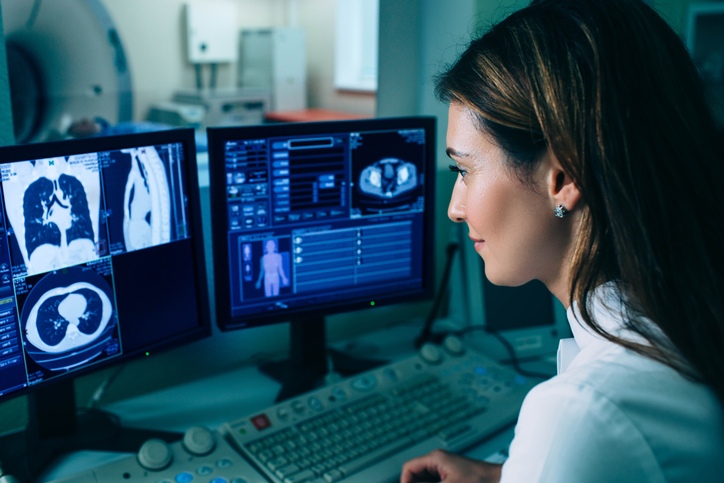
Imaging has become a core input into how health systems understand disease, evaluate outcomes, plan capacity, and increasingly, how they learn.
Philips showcased two major imaging innovations at RSNA 2025 — one a CT system that integrates AI into its hardware, and the other a new helium-free MRI model that embeds AI directly into signal acquisition. Both aim to improve image quality, efficiency and ease of integration — but commercial availability and real-world adoption are still forthcoming.
The future of primary care will be collaborative by design. Clinicians will continue to be the first call and the trusted guide, but they will be supported by scientific partners who shorten the distance between breakthrough and bedside.
Steps that healthcare providers can take – internally and with the help of external partners – to boost both their security capabilities and the confidence of their clinicians in those capabilities
We should use AI to develop recommendations for breast cancer screening protocols based on quantified risk, factoring in family history, ethnicity, genetics, and density, et al. – and then support the use of powerful new imaging AI technologies for those cases that demand a deeper look.
Artera President Tom McIntyre talks about the practical application of AI in healthcare.
Avandra Imaging, a federated network for de-identified imaging data, emerged from stealth at HLTH — as well as announced a partnership with Datavant.
RapidAI recently closed a $75 million Series C funding round led by Vista Credit Partners. The company offers an AI platform that helps hospital care teams triage and treat stroke patients more quickly.
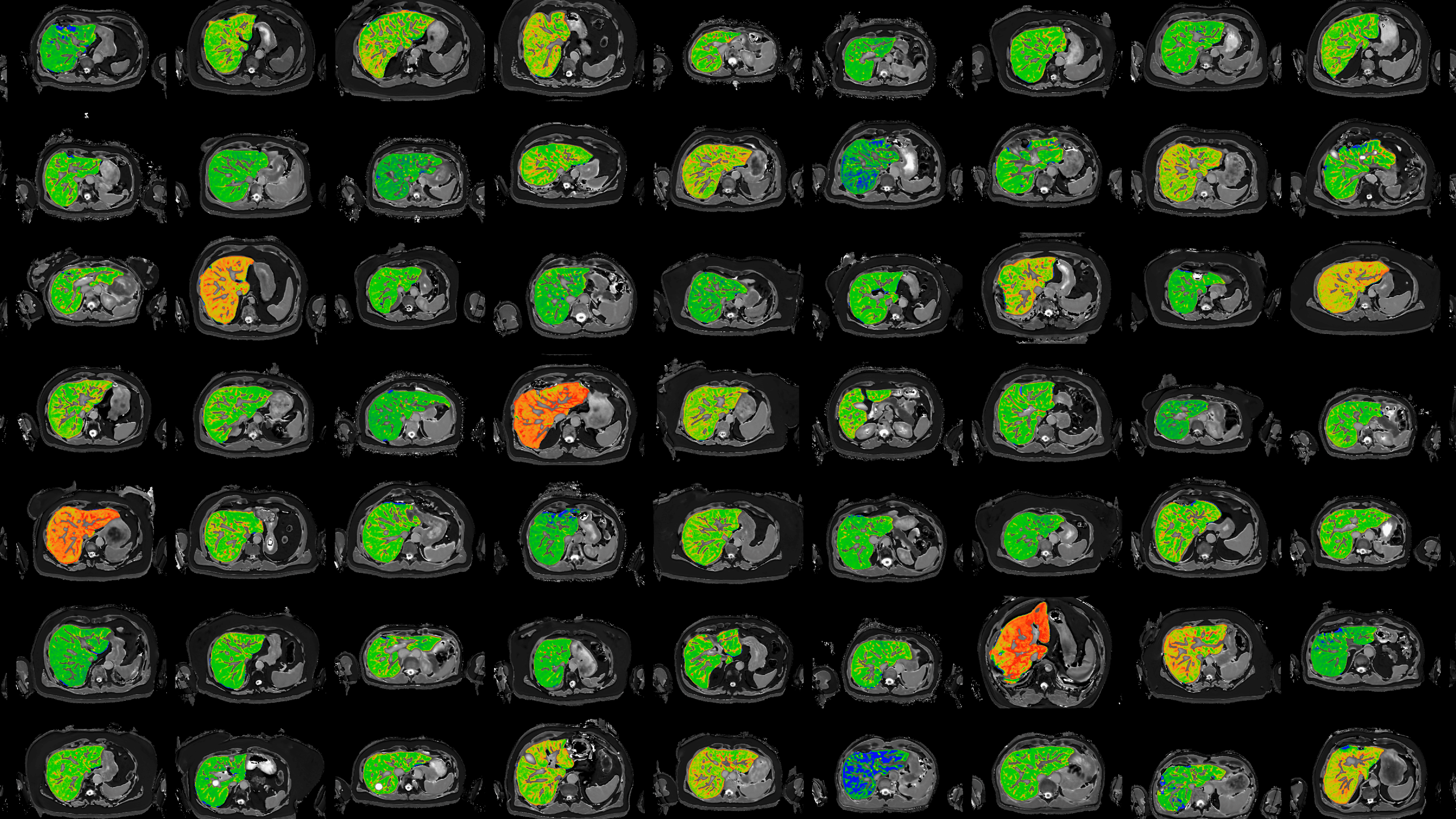
Perspectum — a company that makes medical imaging devices designed to improve the diagnosis of metabolic diseases and cancer — recently announced the second close of its $55 million Series C funding round. Its flagship product is a diagnostic tool that assesses and monitors chronic liver disease.
Nuance recently added Baptist Health and Einstein Healthcare to its precision imaging network, a platform that allows healthcare providers to adopt AI-powered diagnostic imaging tools at the point of care. Joining the network means physicians will have an easier time quickly figuring out which tools make the biggest impact on patient care, Baptist’s chief medical information officer said.
MedCity News was at the Vive conference and spoke with executives who shared their insights for the healthcare industry.
Medical device manufacturer iCAD entered into a development and commercialization agreement with Google Health, in which it will integrate Google’s mammography AI technology into its suite of breast imaging AI products. The agreement marks Google’s first commercial partnership to deploy its breast imaging AI model into clinical practice.
GE Healthcare is preparing for its spinoff from GE, which is planned for the first week of January. The company’s split will allow it to operate under a new board, as well as manage its own capital. That capital will be primarily invested in acquisitions and research and development efforts, according to GE Healthcare's CEO for the U.S. and Canada.
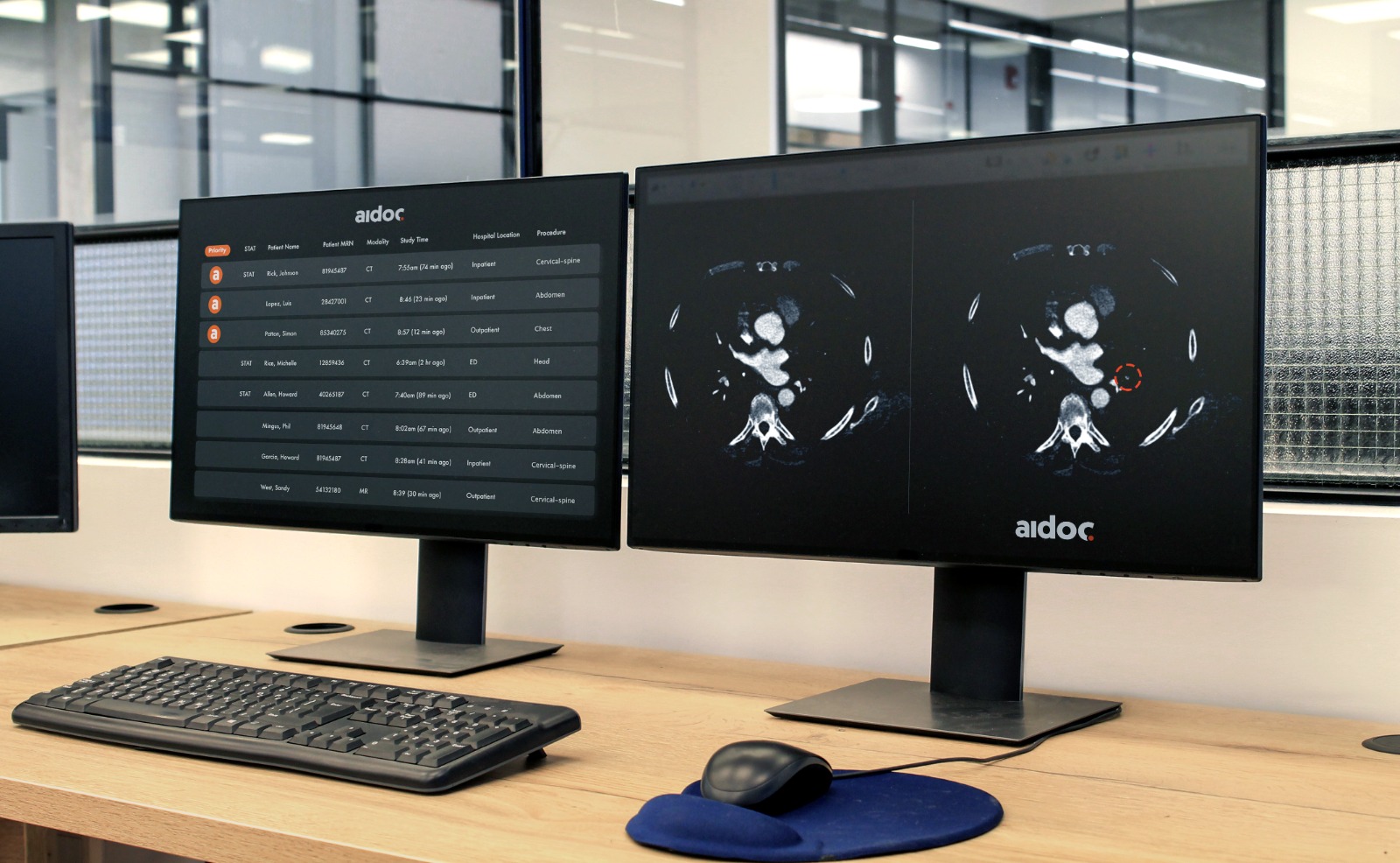
Aidoc received authorization from the Food and Drug Administration to use its algorithms to detect likely Covid-19 cases in CT scans. The FDA issued guidelines allowing vendors with cleared triage solutions to expand their coverage to Covid-19.
A retrospective study published in Nature shows Google’s DeepMind AI outperformed radiologists in detecting breast cancer. But it won’t be replacing them anytime soon.
Working together, vendors and facilities can establish strategies for gathering real-world evidence, including imaging and diverse data, successfully.